26 · Page 200 of 236
Boots on the Ground
When aid meets local knowledge
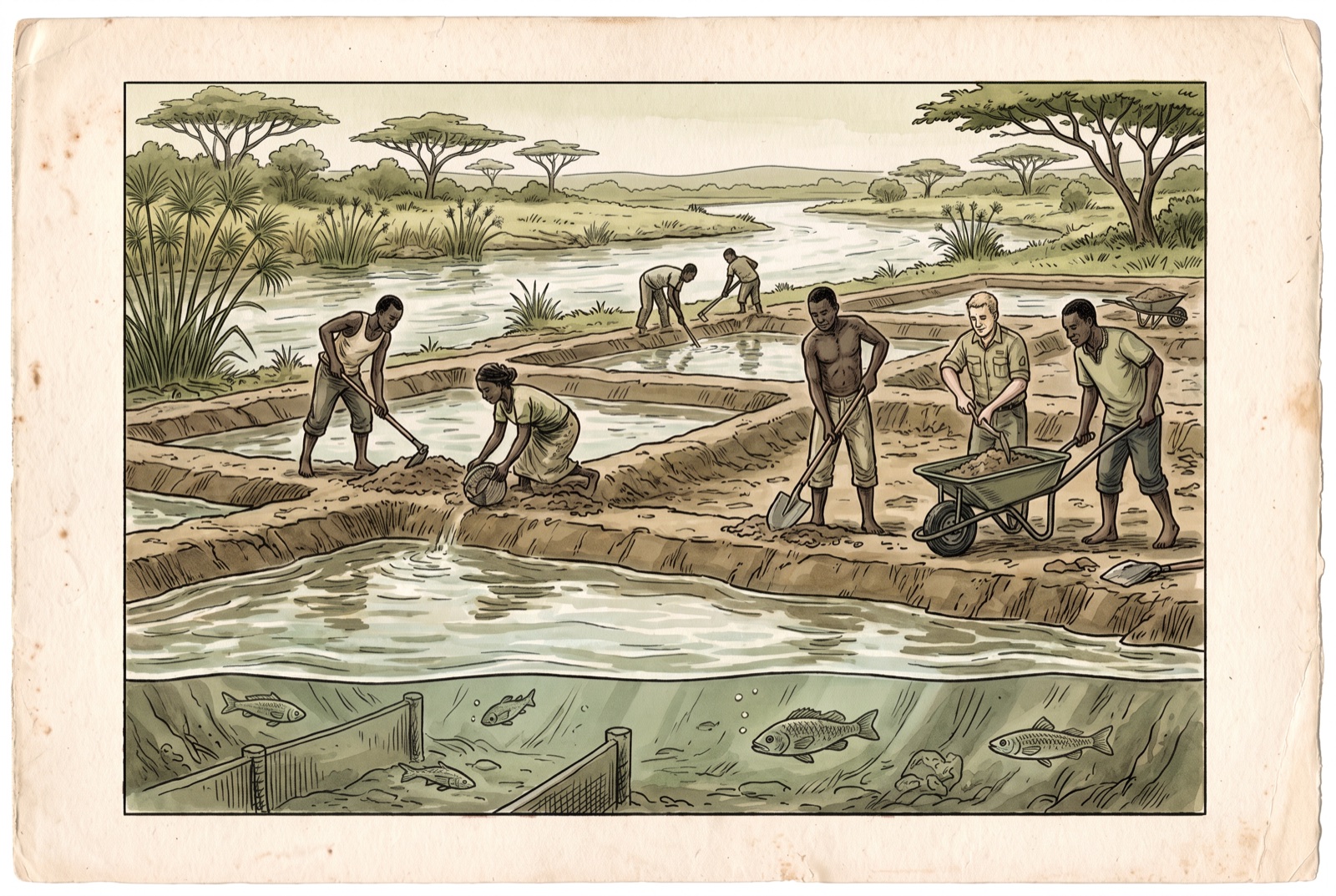
A message, however true, is only words until someone carries it into the field and makes it work in the mud and heat of a real river. Words are cheap. The last chapter set out the principle, that human wellbeing and conservation are one cause; this one is about what it looks like when people who are actually there put it into practice. Among them is Ivan Carter, a conservationist who has spent his life in the African bush and who has become one of the more thoughtful voices for a kind of conservation that begins with the people who share the land, rather than being imposed upon them.
The conviction underneath his work, and underneath this whole book, is that conservation done to people rather than with them almost always fails, and often backfires. Africa's history is full of well-meant schemes conceived far from the river and imposed upon the communities that had to live with them: protected areas that fenced people away from waters their families had used for centuries, bans that criminalised a subsistence catch without offering anything in its place, projects that measured success in reports rather than in lives changed. Reports, not lives. The ones that endure are, almost without exception, the ones that began by listening, that treated the people of the river as partners with knowledge to offer rather than as obstacles or beneficiaries. This is not a soft or sentimental point. It is the difference, again and again, between a project that saves lives and one that quietly makes things worse.
Free preview
Own the whole book — $4.99
You’re reading the free preview of Croc & Gator Wise: The American Edition. 12 more sections are in this chapter — unlock the full field guide to keep reading.
- The complete master — both the American and Australian editions
- Reads on any device · adds to your home screen like an app
- One-time purchase · lifetime access
A Citadel Culebra field safety guide · Vivarium Culebra LLC