
32 · Page 240 of 364
Why People Are Attacked
Infrastructure, education, and respect
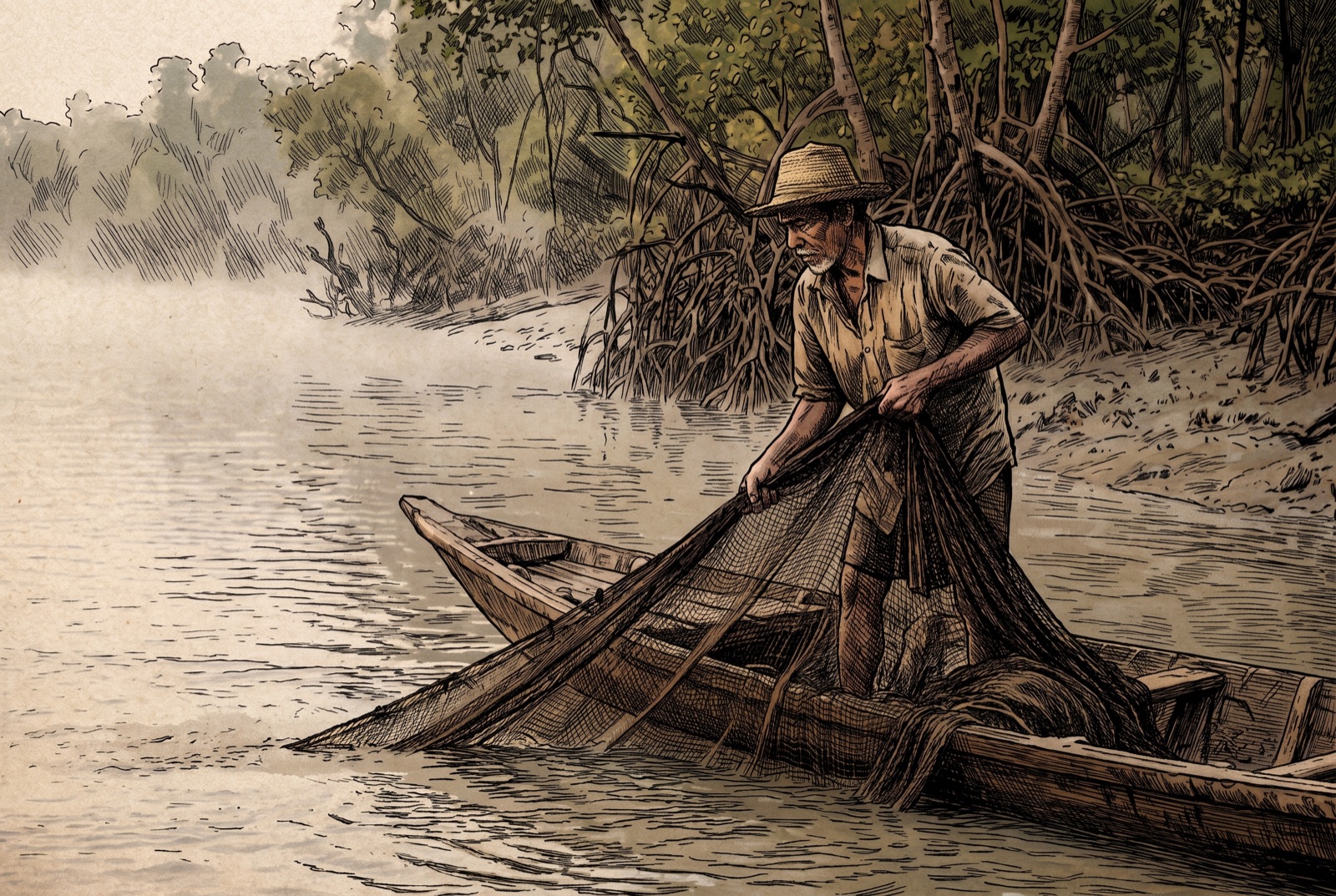
Everything in this book has been building towards a single, unglamorous conclusion. Crocodile attacks are not, in the main, a story about crocodiles. They are a story about the circumstances in which people meet them. Across every region, the Americas and Africa and the arc of Australasia, the same three drivers appear again and again, and they can be named in order of how hard each is to fix. A lack of infrastructure, a lack of education, and a lack of respect.
One: the poverty of resources
The hardest driver to fix, because it is bound up with poverty itself, is the simple absence of alternatives. In the wealthy world, a person enters crocodile water by choice: to swim, to fish for sport, to take a photograph. In much of the developing world, a person enters crocodile water to live. To live. They fish because fish is dinner. They wash and fetch water at the river because there is no tap and no well. They cross the river because there is no bridge. They work the boats and the mine pits at night because that is the work that feeds a family. There is no barrier, no alternative bathing place, no piped supply. The exposure is not a choice; it is a condition of survival.
Free preview
Own the whole book — $4.99
You’re reading the free preview of Croc & Gator Wise: The American Edition. 9 more sections are in this chapter — unlock the full field guide to keep reading.
- The complete master — both the American and Australian editions
- Reads on any device · adds to your home screen like an app
- One-time purchase · lifetime access
A Citadel Culebra field safety guide · Vivarium Culebra LLC