
11 · Page 80 of 236
Fishing and the Daily Water
The reach nobody can afford to make
Stand on the bank of an African river at first light and watch who comes down to the water. Watch for ten minutes. A woman with a basin of clothes. A girl with a yellow jerrican bigger than she is. A man wading out to set a net, or hauling one in hand over hand. A boy sent to fill a bucket before school. None of them is there for sport. Every one of them is doing work that has to be done, in the one place it can be done, and every one of them has to reach into the water to do it. That reach, the ordinary, daily, unavoidable reach into the edge of the river, is where most people in Africa meet a crocodile.
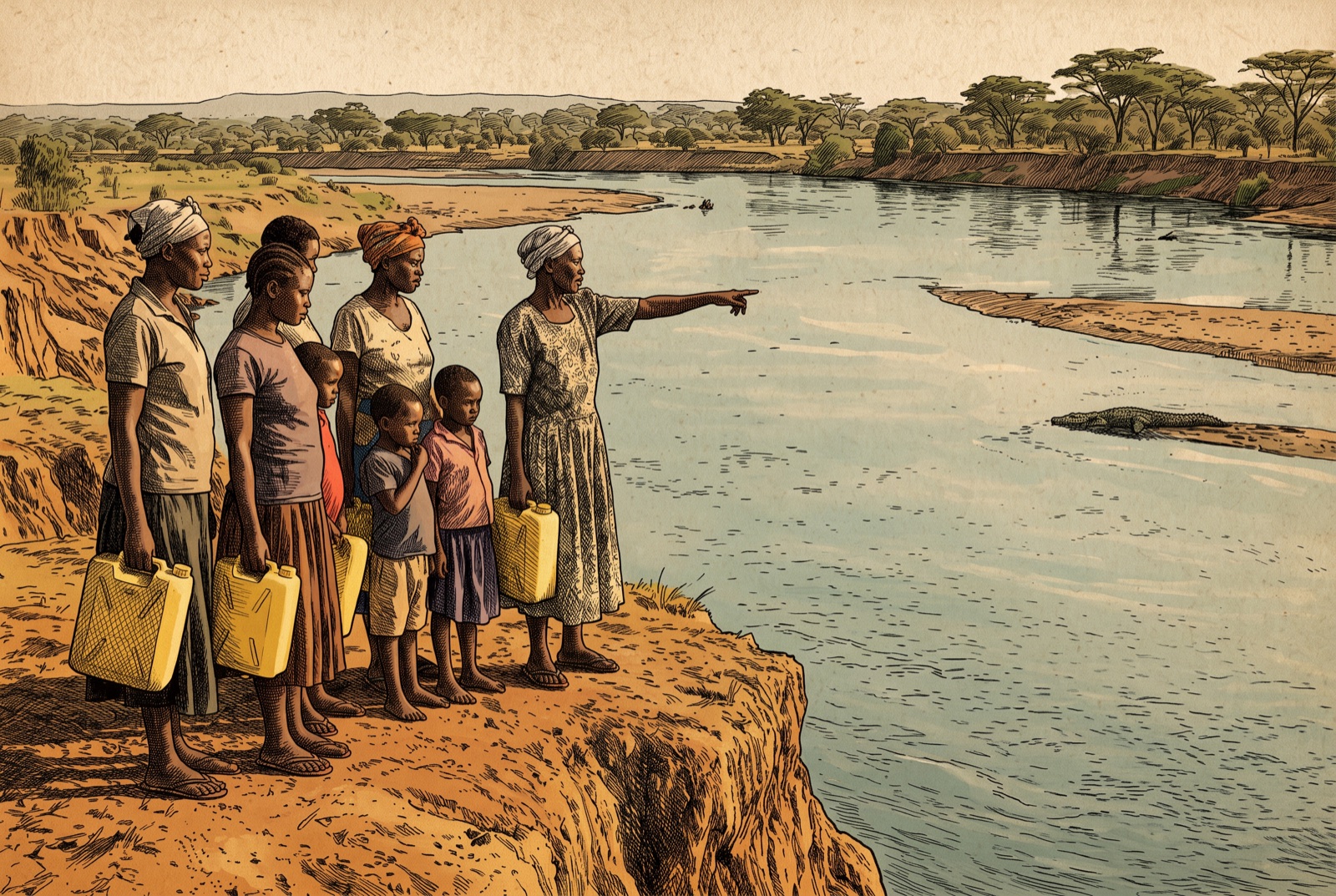
The strike zone is where the work is
A crocodile hunts the margin. It lies just off the bank in shallow, often murky water, close to where prey comes to drink, and it strikes at the edge, in the first metre or two of water. That is precisely the band a person has to enter to fill a container, rinse a pot or wash a child. Same band. The overlap is not bad luck; it is the whole problem. When Simon Pooley and colleagues broke down who was being taken in South Africa and eSwatini, the victims were overwhelmingly people at the water for the plainest of reasons: bathing and swimming, fishing, washing and collecting water, and crossing at a ford. The study of attacks in Tanzania published in Human Ecology in 2022 told the same story from another country, with more than four in five victims male, which is mostly a map of who does the fishing and the wading. This is subsistence, not recklessness.
Free preview
Own the whole book — $4.99
You’re reading the free preview of Croc & Gator Wise: The American Edition. 6 more sections are in this chapter — unlock the full field guide to keep reading.
- The complete master — both the American and Australian editions
- Reads on any device · adds to your home screen like an app
- One-time purchase · lifetime access
A Citadel Culebra field safety guide · Vivarium Culebra LLC